How a Summer Camp in Coorg Can Help Your Child Build Confidence and Independence
In today’s world, something fundamental has shifted. Children are growing up in environments that are safer, more structured, and more connected than ever before—yet paradoxically, they are becoming more anxious, less independent, and less confident in navigating the real world.
Social psychologist Jonathan Haidt, author of The Anxious Generation, captures this shift powerfully:
"We have overprotected children in the real world and underprotected them online.”
And in doing so, we may have taken away the very experiences that build confidence. This is where immersive outdoor experiences—like a summer camp in Coorg—become transformative.
The Confidence Gap in Modern Childhood
For generations, children built confidence organically:
through play, exploration, friendships, and small risks.
Today, much of that has been replaced by structured schedules and screen-based engagement.
Child psychologists consistently emphasise that free play and real-world interaction are essential for emotional and social development. Without it, children miss out on:
- Learning to make decisions independently
- Navigating uncertainty
- Building resilience through failure
Children need free play, independence, and real-world experiences to develop into confident adults,
Haidt notes.
Confidence is not created through instruction. It is built through experience.
Why Coorg Becomes the Perfect Classroom
There’s something about Coorg that cannot be replicated in a classroom or a city.
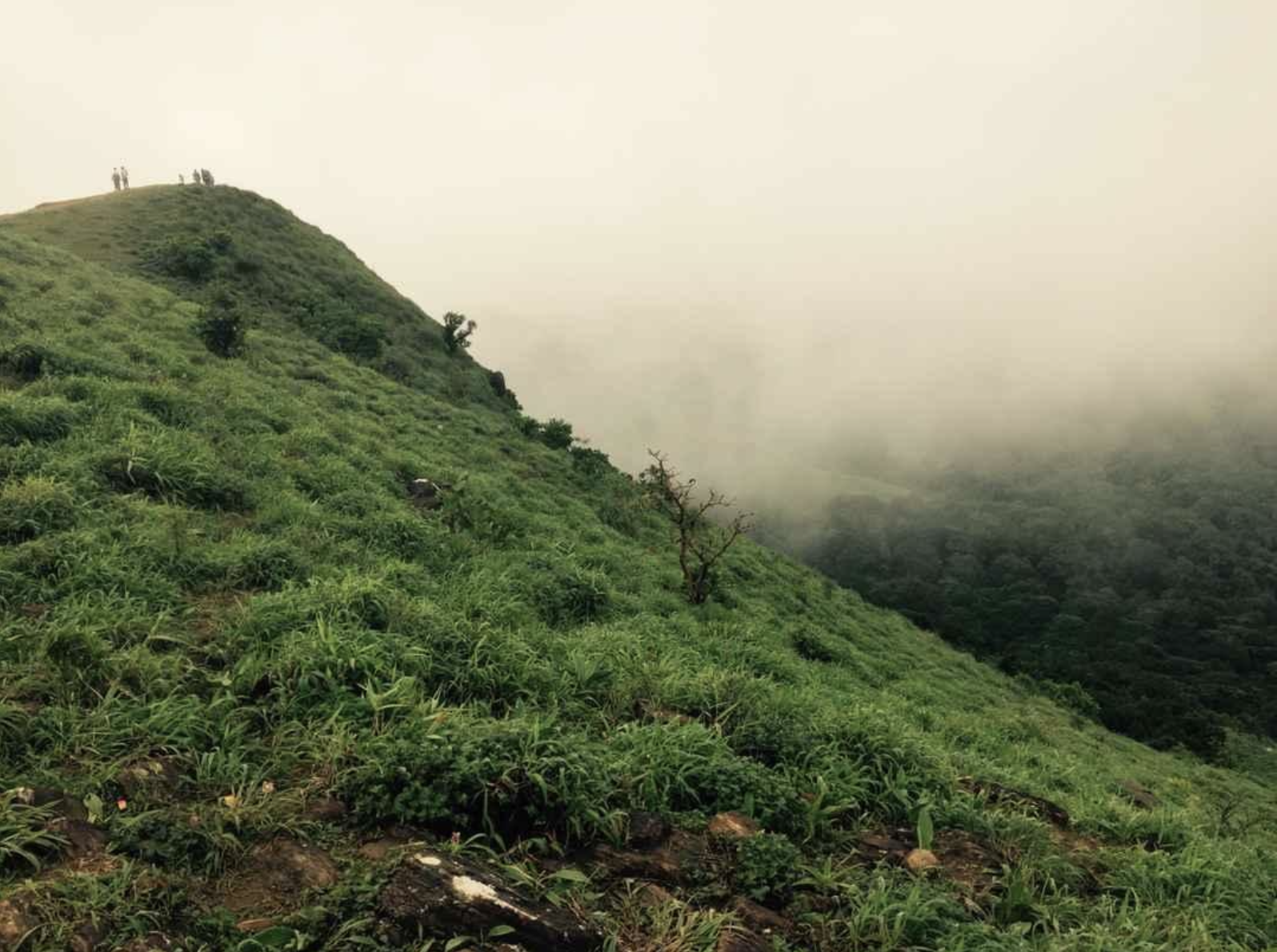
Known for its lush coffee plantations, mist-covered hills, and dense forests, Coorg offers a rare combination of beauty and quiet. It naturally slows children down—and invites them to notice, explore, and engage deeply with the world around them.
At a camp here, children don’t just participate—they immerse. They:
- Wake up to nature, not notifications
- Trek through unfamiliar terrain
- Solve real challenges in real time
- Engage deeply with peers
- The environment itself invites courage.
Confidence Comes From Doing
“The only way children build confidence is by doing hard things.” This idea, widely supported by developmental psychologists, comes alive at camp. Here, children:
- Try something they’ve never done before
- Fail, adjust, and try again
- Experience small but meaningful wins
A quiet child speaks up in a group discussion.
A hesitant child completes a challenging trek.
A dependent child manages their own routine.
Each moment quietly rewires how a child sees themselves.
Independence Is Built in Small Moments
One of the most profound shifts parents notice after camp is independence.
Not dramatic. Not forced. But deeply real.
Autonomy and responsibility are essential for healthy development,
Haidt emphasises.
And independence, once experienced, becomes internalised.
The Power of “Reasonable Risk”
Modern childhood often eliminates risk. But growth requires it. At camp, children experience what psychologists call “reasonable risk”:
- Trying something difficult
- Feeling unsure or nervous
- Pushing through discomfort
And then—succeeding.
Confidence is not built in comfort. It is built in overcoming discomfort.
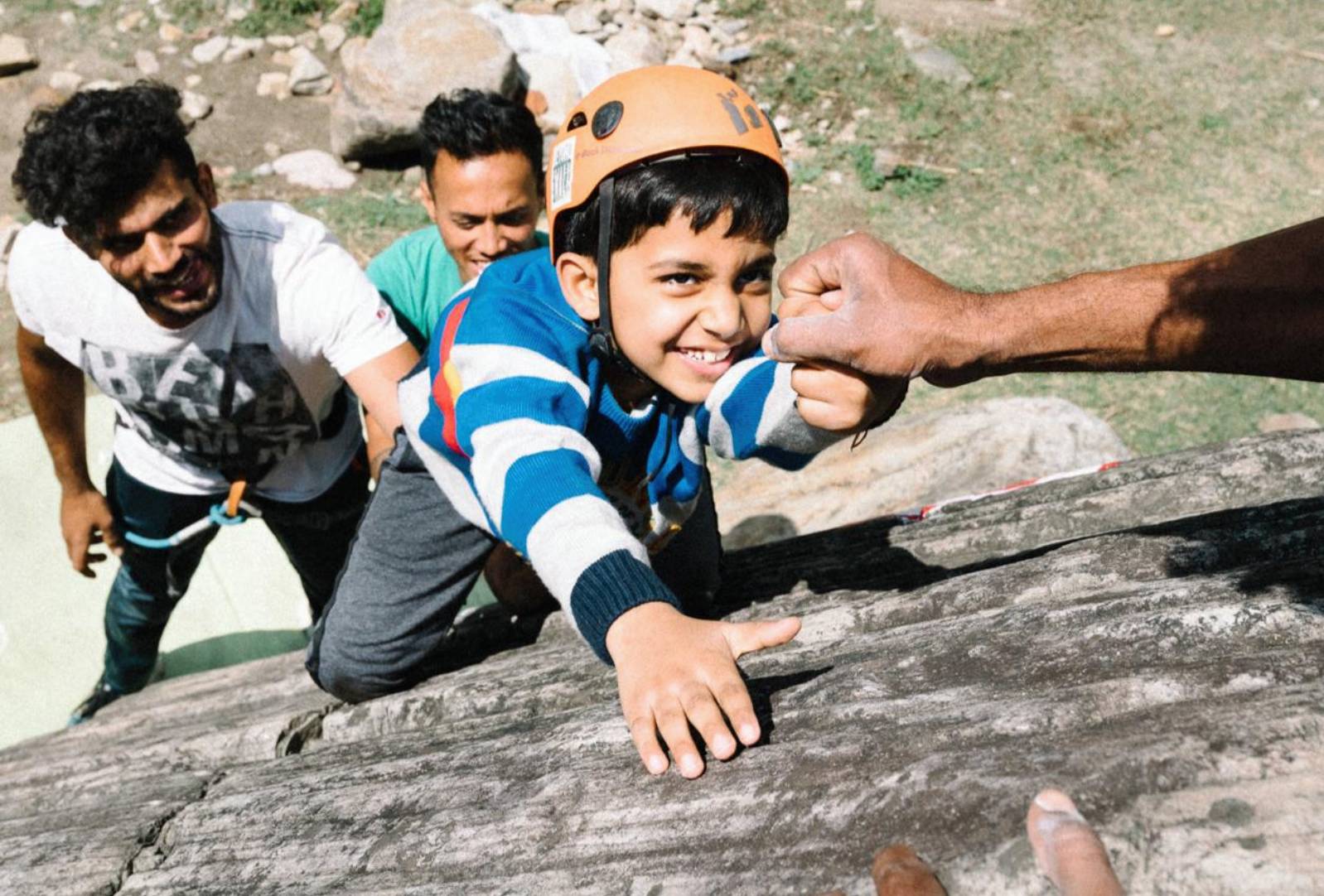
A child crossing a rope bridge or climbing a rock face isn’t just completing an activity. They are rewriting their inner narrative: “Maybe I can do this.”
Real Friendships, Real Confidence
Without screens, something remarkable happens. Children begin to connect—authentically. They:
- Talk more openly
- Form deeper friendships
- Learn empathy and collaboration
Haidt points out that today’s children often lack real-world social interaction, which is critical for emotional growth. At camp, children:
- Resolve conflicts without adult intervention
- Build trust within a group
- Experience belonging
And belonging is a powerful foundation for confidence.
A Parent’s Reflection: Meera & Aarav
“We sent Aarav to the Inme camp in Coorg thinking it would just be a break from routine,” says Meera Shah, a parent from Mumbai.
“He was bright, but very dependent. He would hesitate before making even small decisions.”
“When he came back, the change wasn’t loud—but it was unmistakable.” “He started taking initiative. Packing his own bag. Managing his time. Speaking with more clarity.”
“But what stayed with us the most was this—he believed in himself.” “That confidence didn’t come from us telling him he could do things. It came from him discovering it on his own.”
Why This Matters Today
We are raising children in a world that is:
- Hyper-connected, yet isolating
- Safe, yet limiting
- Informative, yet overwhelming
What they need is not more control—but more experience.
Summer camps like those in Coorg offer:
- Real relationships
- Real challenges
- Real growth
They give children a chance to step away from who they are expected to be… …and step into who they can become.
The Inme Belief
For nearly three decades, Inme has held one simple belief: Children don’t need to be told who they are. They need the space to discover it. A camp is not just a holiday. It is:
- A confidence lab
- A space for independence
- A journey into the self
And sometimes, all it takes is a few days in the hills of Coorg… …for a child to return home stronger, surer, and more themselves than ever before
Venenatis ante veni nullam ridiculus penatibus vidi eu consectetuer integer. Vulputate ipsum lorem nascetur rhoncus. Aliquam vitae elit blandit enim eget laoreet. Dapibus leo sociis quis nulla adipiscing amet integer sem ullamcorper in maecenas eu imperdiet.
Ante blandit amet ultricies ut in nam massa rhoncus. Eget eu massa nisi quis viverra dapibus aliquam. Id ridiculus lorem ut amet dis orci tellus etiam aenean pellentesque.
Maecenas tempus aenean nulla viverra neque vel nec cras justo sapien condimentum ut varius. Blandit sem etiam vel nullam vulputate sociis amet varius dolor. Vitae a ut. Etiam rhoncus ante sit. Nisi nullam donec dui eu phasellus a elementum elit faucibus nec. Eros eu pulvinar pede luctus sit aenean lorem.